How to Choose the Right Aerial Work Equipment for Your Needs?
Choosing the right Aerial Work Equipment is crucial for efficiency and safety. With so many options available, it can quickly become overwhelming. Understanding your specific needs is a vital first step. Consider the tasks you aim to accomplish, such as construction, maintenance, or tree trimming. Each application may require different types of equipment.
Furthermore, evaluating the work environment is essential. Factors like height, space, and terrain play a significant role in equipment selection. For instance, a compact aerial lift is perfect for tight spaces. Conversely, a boom lift may be necessary for higher jobs. Always ensure the equipment meets safety standards and regulations.
Experience and expert advice can guide your decision. Don't hesitate to consult professionals in the field. They can offer insights that documents often miss. Reflecting on possible shortcomings in your knowledge will help you make a more informed choice. Ultimately, select Aerial Work Equipment that aligns with your specific project needs. The right choice enhances productivity and ensures safety on the job site.
Understanding Different Types of Aerial Work Equipment Available
When selecting aerial work equipment, it's crucial to understand the various types available. Aerial lifts, for example, are popular for their versatility. According to a report by Grand View Research, the global aerial work platform market is projected to grow at a CAGR of 4.4% from 2023 to 2030. This growth is driven by increased demand in construction and maintenance sectors.
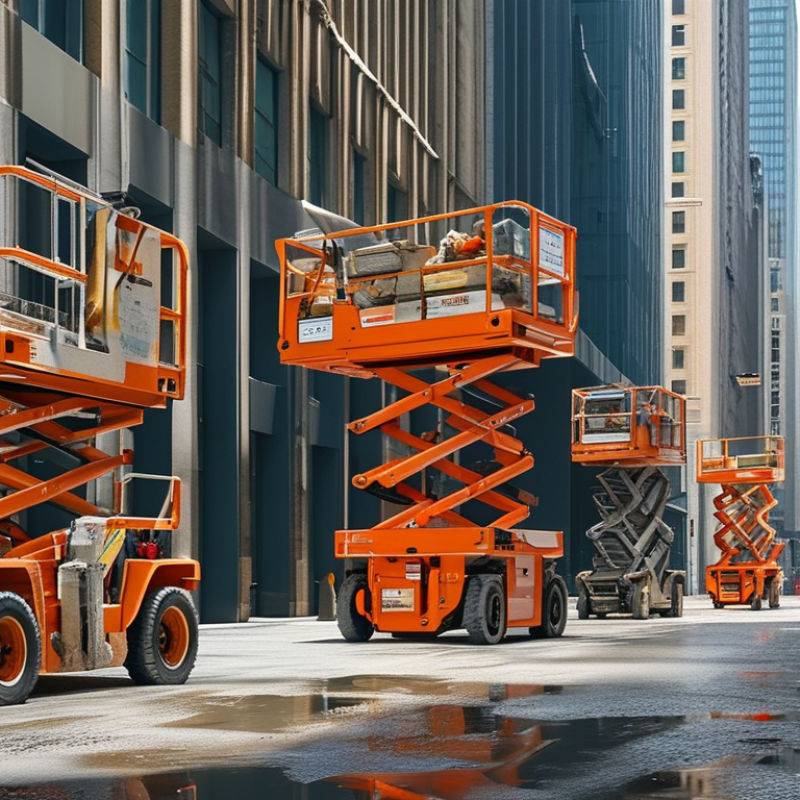
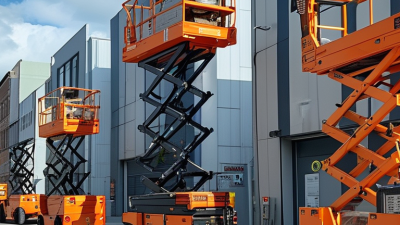
Scissor lifts and boom lifts serve different functions. Scissor lifts provide stable vertical height, making them ideal for indoor work. They typically reach heights of up to 60 feet. In contrast, boom lifts offer horizontal reach, crucial for tasks on uneven surfaces. They can reach up to 185 feet, which is vital for large outdoor projects. Choosing the right type depends on the work environment and specific task requirements.
Training and safety considerations are essential when using aerial work equipment. The Occupational Safety and Health Administration (OSHA) emphasizes the importance of proper training. Despite understanding equipment features, operators may overlook safety measures. This highlights the need for continuous education in the field. Regular inspections and maintenance of equipment are also necessary to ensure reliability and safety. Keeping these factors in mind can enhance productivity and ensure safety in aerial work operations.
Assessing Your Project Requirements and Work Environment
When considering aerial work equipment, it is crucial to assess project requirements and the work environment thoroughly. Understanding the type of tasks at hand can narrow down equipment choices. For projects involving high-rise maintenance, for instance, a scissor lift may be more suitable due to its stability and vertical reach. Data from the International Powered Access Federation indicates that using the right equipment can reduce accidents by up to 25%, emphasizing the importance of this selection.
The work environment also significantly influences equipment choice. If the project is set in a confined space, equipment like boom lifts should be considered. These machines are ideal for navigating tight areas. Statistics suggest that 30% of aerial work accidents occur in such environments. Ground conditions should also be assessed. Uneven surfaces may impair equipment stability, leading to potential hazards. Using equipment unsuitable for the terrain can have serious repercussions.
Lastly, it’s vital to reflect on the operator's skill level. Well-trained personnel can maximize equipment efficiency and safety. However, the lack of experience can lead to accidents and increased project costs. Evaluating both your project’s specific needs and the work environment ensures the right equipment is selected. This process can significantly enhance safety and efficiency.
How to Choose the Right Aerial Work Equipment for Your Needs?
| Equipment Type |
Max Height (ft) |
Platform Capacity (lbs) |
Power Source |
Ideal Use Case |
| Scissor Lift |
30 |
1000 |
Electric |
Indoor Maintenance |
| Boom Lift |
45 |
500 |
Gas/Diesel |
Construction Sites |
| Cherry Picker |
50 |
400 |
Electric/Diesel |
Tree Trimming |
| Telehandler |
56 |
8000 |
Diesel |
Heavy Lifting |
| Work Platform |
20 |
350 |
Electric |
Maintenance Tasks |
Evaluating Safety Features and Compliance Standards
When selecting aerial work equipment, safety features must be prioritized. Ensuring that the equipment adheres to safety standards is crucial. Look for features such as guardrails and harness attachment points. These elements are essential for preventing falls. Furthermore, stability should be a primary concern. Equipment with a wider base generally offers better support. This can reduce the risk of tipping during operations.
Compliance with industry standards adds another layer of security. Be aware of regulations that govern the specific type of equipment you are using. A valid certification indicates that the equipment has undergone rigorous testing. It is important to verify the documentation. Sometimes, it can be overlooked. Equipment that doesn’t meet compliance may put users at risk.
Risk assessment is also vital before making a decision. Evaluate the specific tasks you plan to carry out. If the job site is uneven, you might need specialized equipment. Think about the training required for operatives. Insufficient training can lead to accidents, no matter how safe the equipment appears. Reviewing safety records and maintenance practices of the equipment is also essential. A piece of equipment might look good on paper but may have issues in practice. Always be thorough in your assessment.
Safety Features and Compliance Standards in Aerial Work Equipment
Determining Load Capacity and Height Requirements
Selecting the right aerial work equipment involves understanding your load capacity and height requirements. Knowing how much weight the equipment can safely handle is crucial. This ensures safety and efficiency during operations. For example, if you need to lift heavy materials, you should verify the equipment's specifications. It might be more challenging if the load capacity is unclear.
Height requirements are equally important. Different tasks need different heights. If you’re working on a low roof, a smaller lift will suffice. However, taller buildings demand equipment that can reach greater heights. Consider the job site environment. Is there limited space? This may limit your options. Always assess the area for any potential obstructions.
Remember, not all tasks are straightforward. Mistakes can happen, especially when estimating load or height. Take time to reflect on the limitations of your equipment. Misjudgments can lead to delays or accidents. Gathering data from past projects can provide valuable insights. Each project teaches something new. This approach helps create a more informed decision in the future.
Budgeting and Cost Considerations for Aerial Work Equipment
Budgeting for aerial work equipment can be challenging. It's crucial to assess your specific needs. Determine the type of tasks you'll perform. Each task may require different machinery. For example, a small project might only need a lift. Larger jobs may call for substantial equipment. This understanding will guide your budgeting process effectively.
Cost is not just the initial purchase or rental price. Maintenance and operation expenses must be factored in. Neglecting these costs can lead to surprises later. You should also review potential training costs for operators. Misuse can lead to accidents and additional expenses. It’s vital to find a balance between quality and affordability. Seek reliable sources for guidance on equipment choices.
Consider financing options if the upfront cost is prohibitive. Leasing may offer more flexibility for short-term needs. However, long-term investments can be more cost-effective. It’s essential to evaluate the total cost of ownership over time. Your final decision should align with both your budget and safety requirements.



 Ms.Lily International Sales Director
 Join 3S Group