Leave Your Message

10 Essential Tips for Choosing the Right Aerial Work Equipment for Your Project?

Choosing the right Aerial Work Equipment can significantly impact the success of your project. With many options available, it’s crucial to make informed decisions. This equipment is essential for tasks at height, whether for construction, maintenance, or inspection work.

Consider the size and type of project you are tackling. A small task may need a compact lift, while larger jobs require robust machinery. Research is key. Each piece of Aerial Work Equipment has specific features and limitations. Understanding them will help you avoid mistakes.

Reflect on safety and efficiency. Will the equipment fit in your workspace? Are there proper safety measures in place? Sometimes, the perfect choice might not be as obvious. It requires careful thought. Your crew's experience with Aerial Work Equipment also plays a vital role. Evaluate their skills. This choice can make or break your project's outcome.
10 Essential Tips for Choosing the Right Aerial Work Equipment for Your Project?

Understanding the Different Types of Aerial Work Equipment Available

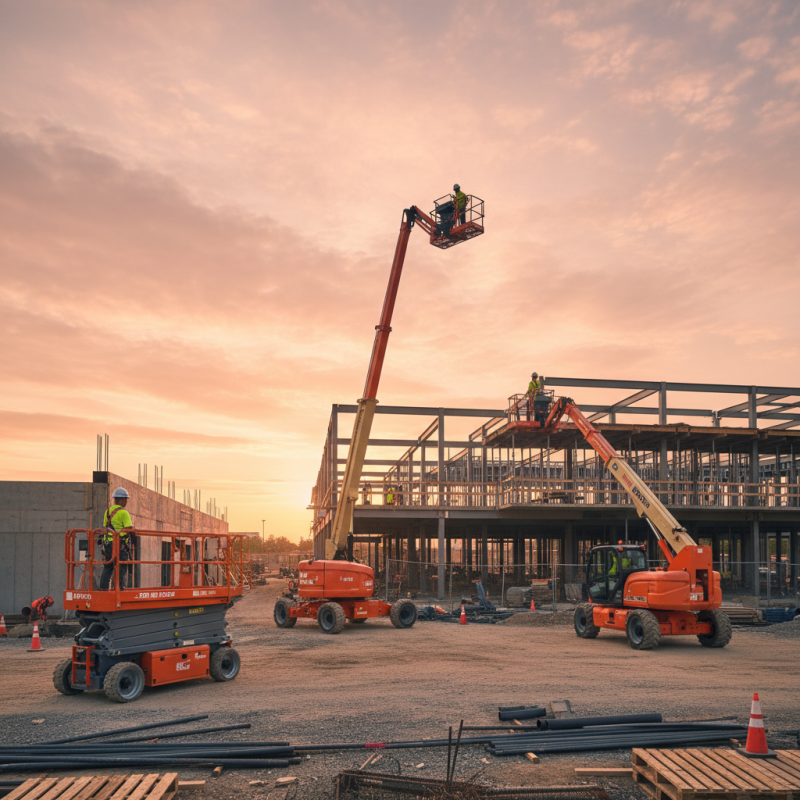
Choosing the right aerial work equipment is crucial for project success. Different types of equipment suit various tasks. Scissor lifts are ideal for indoor work. They provide stability and a flat platform. Ideal for working on ceilings or elevated structures, they maximize safety. Boom lifts offer extended reach. They come in towable and self-propelled options. This versatility makes them great for outdoor projects.

Forklifts and telehandlers are other options. They can lift heavy loads vertically and horizontally. However, they require more space to operate effectively. Ensure your team is trained to use them safely. Each equipment type has its strengths and weaknesses. For instance, some lifts are not suited for uneven ground. Evaluate your job site conditions before making a choice.

Understanding your project's specific needs can prevent costly mistakes. Sometimes, the most popular choice isn't the best for your project. Make sure to consider load capacity and working height. Reflect on how different equipment affects productivity. Taking the time to choose wisely is essential. You’ll save time and resources in the long run.


Comparison of Different Types of Aerial Work Equipment

Evaluating Project Requirements to Determine Equipment Specifications

When selecting aerial work equipment, evaluating project requirements is crucial. Start by considering the specific tasks at hand. Are you working at height? What weight will your equipment need to support? These questions guide your choice effectively. For instance, if you’re painting a tall building, you might need a boom lift for better reach.

It's also essential to assess the work environment. Is the site accessible? Will there be overhead obstacles? Narrow spaces or uneven terrain can complicate your equipment selection. For instance, a scissor lift may be more suitable for indoor work compared to a larger mobile platform. Think about power source options too. Battery-operated machines may be quieter and cleaner for indoor use, while gas-powered models can offer more power outdoors.

Don't forget to factor in crew skills. A highly skilled team can operate complex machinery efficiently. However, if your crew lacks experience, simpler equipment may be a safer choice. Always remember, the right equipment is not just about size and power. It’s about matching the gear to the needs of the job. Reflect on your requirements carefully. Identify both strengths and weaknesses in your project plan. A thoughtful approach will lead to a more successful outcome.

Reviewing Safety Standards and Compliance Regulations in Aerial Work

When selecting aerial work equipment, safety standards play a critical role. Compliance with regulations protects workers and enhances project efficiency. Regulations vary by location but typically include guidelines for equipment inspection, operator training, and use protocols. Employers must stay informed about these standards to ensure they are not just meeting the minimum requirements but are striving for the highest level of safety.

Consider how many projects overlook necessary inspections. Equipment may look fine on the surface but can harbor serious flaws. Regular audits can identify these issues before accidents happen. Documentation is also key; keeping detailed records of inspections creates accountability. These records not only help in compliance but also foster a culture of safety among workers.

Fostering safety awareness is an ongoing journey. Training sessions should incorporate real-life scenarios and feedback. It’s essential to encourage workers to speak up about potential hazards. This approach helps everyone understand the value of compliance and enhances operational safety. Balancing productivity and safety can be challenging, but the cost of neglect often outweighs the investment in proper equipment and training.

10 Essential Tips for Choosing the Right Aerial Work Equipment for Your Project

Tip No. Tip Description Safety Standard Compliance Recommended Use Case
1 Assess the worksite conditions before selection. OSHA 1926.451 Construction site inspections
2 Verify the load capacity needed for your tasks. ANSI A92.2 Heavy lifting applications
3 Consider the range of motion required. ISO 9001 High-reach work in tight spaces
4 Choose equipment with appropriate safety features. EN 280 General maintenance tasks
5 Ensure operators are certified and trained. OSHA 1926.454 All aerial work scenarios
6 Review manufacturer specifications for your project. ISO 12100 Equipment selection process
7 Establish communication protocols among crew. ANSI A10.32 Teamwork in aerial operations
8 Plan for power supply and energy requirements. NFPA 70E Electrically powered equipment usage
9 Consider environmental factors affecting your choice. ISO 14001 Outdoor and adverse conditions
10 Seek advice from industry professionals and peers. None specific All scenarios for best practices

Analyzing Weight Capacities and Reach Requirements for Equipment Selection

10 Essential Tips for Choosing the Right Aerial Work Equipment for Your Project?

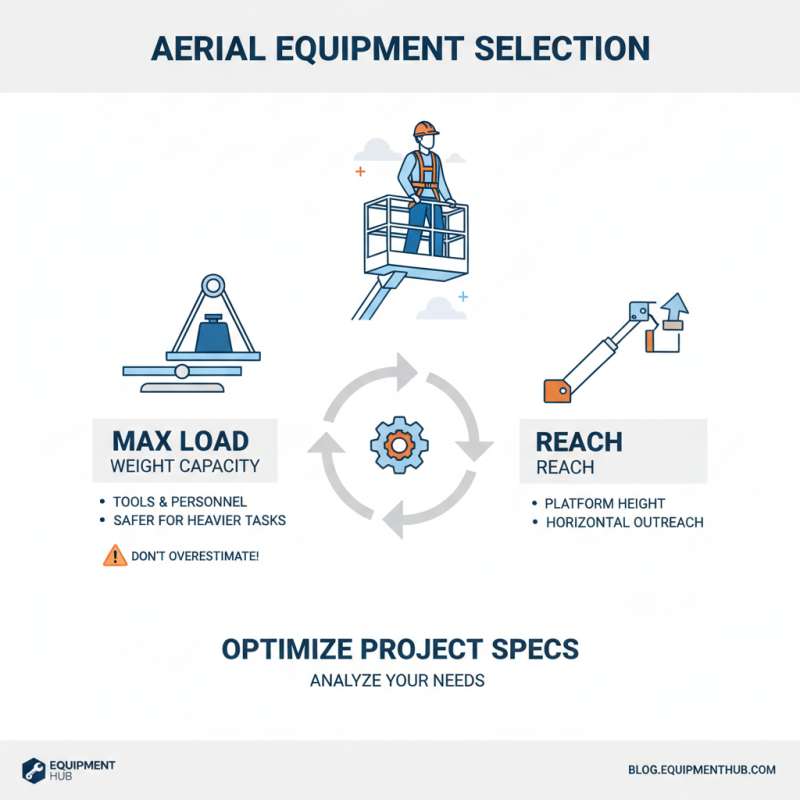
When selecting aerial work equipment, weight capacity and reach are crucial factors. Understand the maximum load your project requires. This includes all tools and personnel. A higher weight capacity is often safer for heavier tasks. However, overestimating needs can lead to wasted resources. It’s important to analyze the specifics of your project.

Reach requirements also play a key role. Consider the height and distance you need to cover. Some projects may require a long reach, while others could benefit from a compact solution. Examine the working environment. Tight spaces may limit your choices, making this analysis even more significant.

It’s easy to overlook these details. Rushing through the selection can lead to inefficiencies. Reflect on past projects. Were there instances where equipment failed to meet needs? Such lessons can inform better decisions moving forward. Balancing weight capacity and reach is essential for safety and efficiency. Be mindful of these factors during equipment selection.

Comparing Cost-Effectiveness of Rental vs. Purchase of Aerial Equipment

When it comes to aerial work equipment, the decision to rent or purchase significantly impacts your project’s budget. Renting equipment offers flexibility. It allows you to access cutting-edge technology without the hefty price tag. However, rental costs can accumulate over time, especially for long-term projects. If you foresee consistent use, purchasing may save money in the long run.

Consider the total cost of ownership. This includes maintenance, insurance, and storage. If those factors seem overwhelming, renting might be the simpler choice. Not every rental is a hassle-free solution. Equipment availability and reliability can sometimes lead to unexpected delays. Research your options carefully.

When selecting aerial work equipment, keep these tips in mind. Assess your project requirements. Choose the right height and weight capacity. Also, factor in the operator's experience level. Some equipment requires specific training. Lastly, always plan for potential challenges and ask for expert advice if you're unsure. Making informed decisions can streamline your project and save resources.