Why Choose an Electric Hoist Remote for Efficient Lifting Solutions?
The use of an Electric Hoist Remote can transform lifting operations. In industries such as construction, manufacturing, and warehousing, efficiency is vital. According to a report by MarketsandMarkets, the global electric hoist market is expected to reach $4.24 billion by 2025, highlighting increased reliance on these systems.
Electric hoists allow precise control of heavy loads, reducing the risk of accidents. The integration of remote controls enhances safety and operator convenience. Data from the Occupational Safety and Health Administration (OSHA) shows that remote operation decreases the likelihood of worker injury. Yet, challenges exist; not all equipment integrates smoothly with existing systems.
While many facilities adopt Electric Hoist Remotes, there are still gaps in education on best practices. Regular training is essential to optimize their use. Workers must understand both the advantages and limitations of these devices. A balance between automation and human oversight remains crucial for a safe work environment.
Benefits of Electric Hoist Remotes in Lifting Operations
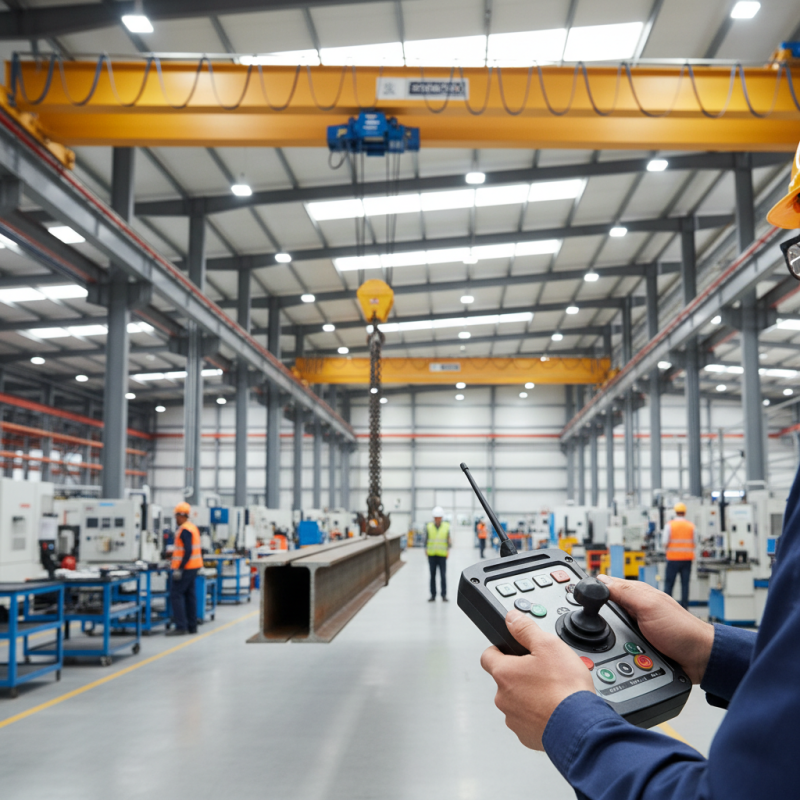
Electric hoist remotes have transformed lifting operations significantly. They provide enhanced control and safety during tasks. Users can operate lifts from a distance, reducing risks associated with close-range handling. This distance helps protect operators from potential hazards, making work smoother.
Using remote controls can greatly improve efficiency. Operators can focus on other critical aspects of lifting without being tied to the machine. However, it’s crucial to ensure proper training on using these remotes. Miscommunication can lead to accidents.
**Tip:** Always test the remote before starting operation. Check the batteries and signals regularly.
Another benefit is the ability to make precise adjustments. Electric hoist remotes allow for gradual lifting. This control is essential when dealing with delicate loads. Yet, it’s important to reflect on the learning curve involved. Some operators may struggle initially.
**Tip:** Have a mentor or experienced colleague guide you.
Using remote hoists can enhance productivity, but it requires practice. Familiarizing yourself with the controls can prevent costly mistakes in the long run. Remember, safety and efficiency go hand in hand.
Benefits of Electric Hoist Remotes in Lifting Operations
Key Features to Look for in Electric Hoist Remotes
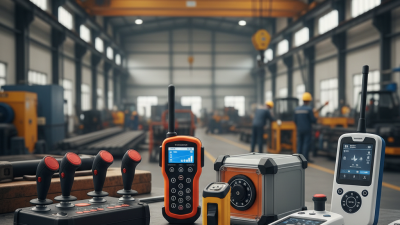
When selecting an electric hoist remote, key features significantly impact efficiency. Look for a durable design. A robust remote withstands wear and tear. It should handle high loads without issues. Lightweight materials are essential for ease of use. This ensures operators can maneuver the remote comfortably.
Next, consider the range of operation. A long-range remote allows freedom of movement. Operators can control the hoist from a safe distance. Also, check the battery life. Long-lasting batteries reduce downtime. Frequent charging can disrupt workflow and cause delays.
Controlling speed is another crucial feature. A remote with adjustable speed settings enhances precision. Operators can lift, lower, or position loads accurately. However, the interface should be user-friendly. Complicated layouts may lead to mistakes. People can get confused quickly. An intuitive design prevents operational errors. It’s vital that users can quickly adapt.
How Electric Hoist Remotes Improve Safety During Lifting Tasks
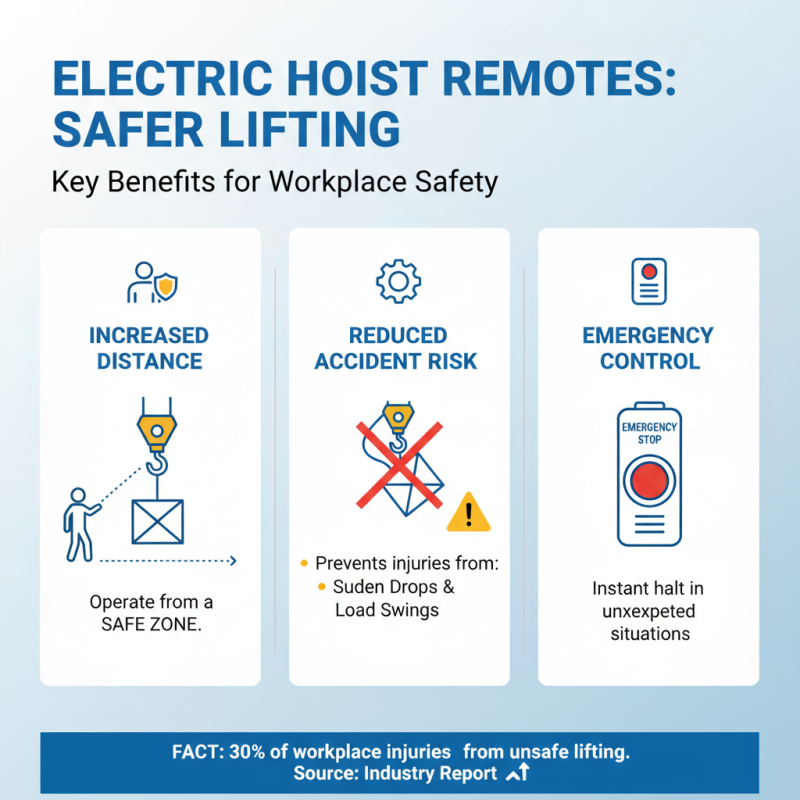
Electric hoist remotes play a crucial role in lifting tasks, enhancing safety significantly. According to a recent industry report, nearly 30% of workplace injuries stem from unsafe lifting practices. By using a remote, operators can maintain a safe distance from heavy loads. This reduces the risk of accidents caused by sudden drops or swings. Safety features, such as emergency stop buttons, are commonly integrated into these devices. They allow quick responses in unexpected situations.
Moreover, electric hoist remotes provide better visibility during operations. Operators can oversee the load while controlling it from afar. This setup minimizes blind spots, which are often linked to mishaps. A study showed that equipment failure, due to operator error, contributes to over 40% of lifting accidents. With a remote, operators have better control, making it easier to avoid overloading.
However, reliance on technology can sometimes lead to complacency. Operators might underestimate the importance of proper training. Remote controls do not replace the need for skillful handling. Thus, comprehensive training programs remain essential. Regular maintenance of equipment and remotes also ensures safety in lifting tasks. Investing in both technology and training has proven to reduce incidents significantly.
Enhancing Productivity with Electric Hoist Remotes: A Practical Guide
Electric hoist remotes have become essential in various industries. They enhance productivity significantly by allowing operators to control lifting with precision. A recent industry report indicates that using remotes can reduce manual handling time by up to 40%. This efficiency translates to less downtime and higher output.
The integration of electric hoist remotes enhances workplace safety too. By allowing operators to maintain a safe distance from heavy loads, the risk of accidents drops. Statistics reveal that reducing proximity to hazards can minimize workplace injuries by 30%. However, it's crucial to ensure remotes are operated correctly. Training is often overlooked, leading to misuse and accidents.
Adopting electric hoist remotes can also save costs in the long run. While the initial investment might seem high, the return on investment is notable. A decrease in labor costs and fewer workplace accidents contribute to this. Yet, organizations must regularly maintain and update their equipment. Neglecting upkeep can result in malfunctioning devices that hinder operations. Balancing cost and efficiency is key.
Maintenance Tips for Optimal Performance of Electric Hoist Remotes
Maintaining electric hoist remotes is essential for their efficient operation. Regular inspection of the remote's buttons and housing can prevent failures. According to the American Materials Handling Society, 30% of hoist malfunctions stem from remote issues. A simple check can save downtime and money.
Keeping the remote clean is vital. Dust and grime can interfere with the button mechanisms. Use a damp cloth regularly. Avoid harsh chemicals that may damage the casing. It takes just a minute, but this can enhance the longevity of the remote.
Battery maintenance is another critical area. Weak batteries can lead to poor performance. The National Safety Council reports that battery-related problems account for 25% of remote issues. Replace batteries as soon as you notice reduced responsiveness. Creating a routine for these checks can make a significant difference in your lifting operations.




 Ms.Lily International Sales Director
 Join 3S Group