Why Choose a Hydropower Maintenance Platform for Efficient Operations?
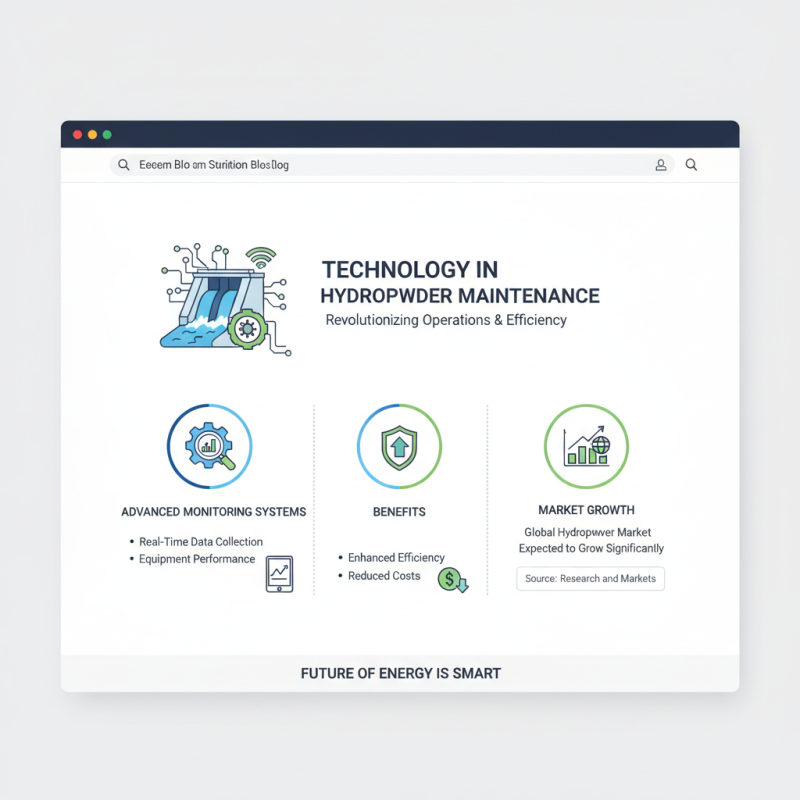
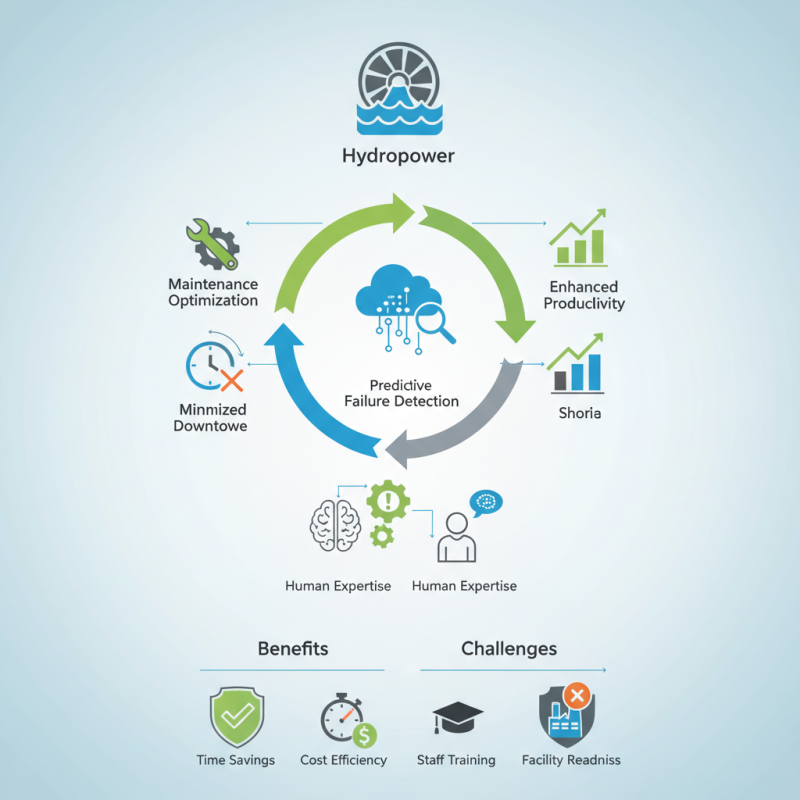
In recent years, the demand for efficient operations has led many industries to seek specialized solutions. The Hydropower Maintenance Platform stands out as a vital tool for optimizing hydropower plant performance. By streamlining maintenance processes, these platforms minimize downtime and enhance productivity.
The integration of technology plays a crucial role in this. Modern Hydropower Maintenance Platforms utilize data analytics to predict potential failures. This proactive approach enables operators to address issues before they escalate. However, relying solely on technology can lead to oversight. Human expertise remains essential in interpreting data effectively.
Notably, while these platforms improve efficiency, they are not without challenges. Training staff to use new technologies effectively requires time and resources. Additionally, not all facilities may be ready for such advancements. It’s essential to evaluate each plant's unique needs. Embracing a Hydropower Maintenance Platform can bring significant benefits, but careful implementation is key to success.
Benefits of Using a Hydropower Maintenance Platform
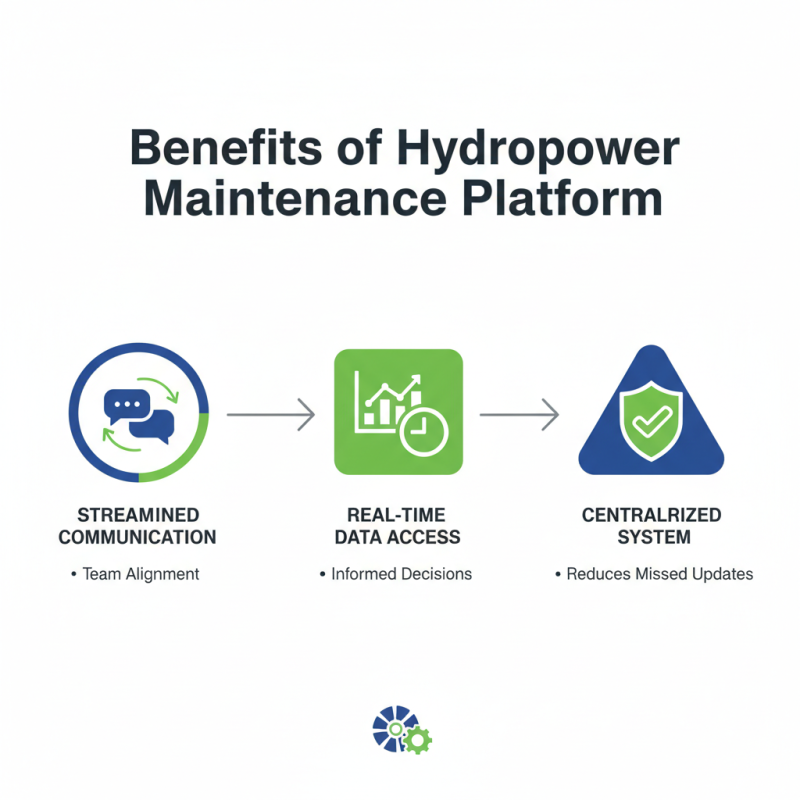
A hydropower maintenance platform offers numerous advantages for operational efficiency. First, it streamlines communication among team members. This helps ensure everyone remains aligned on task priorities. Quick access to real-time data enhances decision-making. A centralized system reduces the chances of missing vital updates.
Moreover, the platform allows for proactive maintenance. Users can schedule equipment checks based on usage data. This leads to fewer unexpected breakdowns. Reliability is essential in hydropower operations. Reduced downtime can significantly increase energy generation. It's important to remember that even the best systems need regular updates and assessments.
Implementing a hydropower maintenance platform can illuminate areas needing improvement. However, challenges may arise during the transition. Employees may need time to adapt to new tools. Training is crucial to maximize the platform's potential. Continuous feedback is necessary to fine-tune processes and achieve optimal benefits. Embracing these aspects enhances overall operational efficiency.
Key Features of Effective Hydropower Maintenance Solutions
Hydropower maintenance platforms enhance operational efficiency significantly. Effective solutions focus on predictive maintenance. This approach minimizes downtime by anticipating equipment failures. Reports indicate that predictive maintenance can reduce unexpected outages by up to 30%.
Key features of these platforms include real-time monitoring. Immediate data collection offers insights into current conditions. Sensors track vibration, temperature, and pressure. Anomalies can be detected early, preventing costly failures. However, many facilities still rely on reactive solutions. This can lead to delays and higher maintenance costs.
User-friendly interfaces are essential. Operators should easily navigate the system. Training can be a challenge, as not all staff are tech-savvy. The platform must adapt to varying skill levels. Another important aspect is data analytics. Analyzing historical data can uncover trends and inefficiencies. Yet, some maintenance teams may overlook this analysis. Continuous improvement hinges on leveraging all available information. Balancing technology with human expertise is crucial for optimal outcomes.
Impact of Regular Maintenance on Hydropower Plant Efficiency
Hydropower plants rely on regular maintenance to ensure efficient operations. A study found that well-maintained plants can increase efficiency by up to 10%. When key components like turbines and generators are routinely inspected, performance can be optimized. Neglecting maintenance not only reduces efficiency but can lead to costly repairs down the line.
Regular maintenance is not just about fixing problems. It's about prevention. An industry report indicated that unplanned outages could cost plants over $300,000 per day. Scheduled maintenance helps in avoiding these outages. Operators should track performance trends and address potential issues before they escalate.
Tips: Invest in a reliable maintenance tracking system. This can streamline scheduling and remind you of routine tasks. Regular training for staff is crucial, too. Knowledgeable personnel can spot warning signs earlier. The aim should always be to maintain peak efficiency and prevent unexpected downtimes.
Case Studies: Successful Implementations of Maintenance Platforms
Hydropower maintenance platforms have transformed operations in the energy sector. A notable example can be seen in a mid-scale hydropower plant. They adopted a digital maintenance platform that streamlined their workflow significantly. By integrating real-time monitoring, the plant reduced downtime by 25%. This was a critical achievement in maintaining energy output during peak seasons.
Another case study involves a large facility where a centralized system improved communication among technicians. Traditionally, staff relied on fragmented tools, leading to oversight. After implementing the maintenance platform, the teams experienced enhanced collaboration. However, initial resistance to new technology was evident. Training programs needed more time to ensure effective use.
These stories illustrate the tangible benefits of maintenance platforms. They help operators detect issues earlier and minimize costly repairs. Yet, it’s important to recognize that every system comes with its challenges. Companies must commit to continuous learning and adaptation. Embracing technology while managing human factors remains a delicate balance.
Why Choose a Hydropower Maintenance Platform for Efficient Operations?
| Implementation Year |
Location |
Maintenance Costs Reduction (%) |
Downtime Decrease (%) |
Efficiency Improvement (%) |
| 2019 |
Mountain Region, USA |
30% |
25% |
15% |
| 2020 |
Himalayan Basin, Nepal |
25% |
20% |
12% |
| 2021 |
Lake District, UK |
28% |
22% |
10% |
| 2022 |
Andes Mountains, Chile |
35% |
18% |
20% |
| 2023 |
Rocky Mountains, Canada |
40% |
15% |
18% |








 Ms.Lily International Sales Director
 Join 3S Group