2026 Best Aerial Work Fall Protection Solutions for Safe Operations?
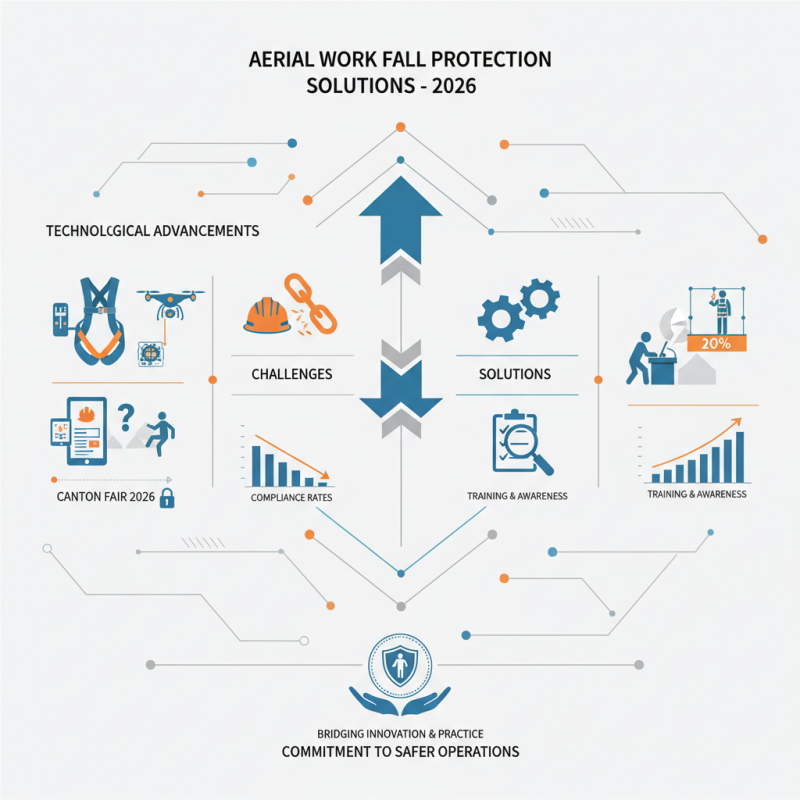
Aerial Work Fall Protection is critical for ensuring safety in various industrial operations. As businesses prepare for upcoming events, the importance of efficient protective solutions cannot be overstated. The 2026 events, such as the Canton Fair, showcase advanced technologies and innovative safety equipment. These unveilings promise to set new industry standards.
However, despite advancements, challenges remain in implementing effective Aerial Work Fall Protection systems. Many companies still struggle with compliance and proper usage of new equipment. This gap can lead to accidents and operational inefficiencies. Real-life case studies reveal that even with the best tools, human error often plays a significant role in safety failures.
Understanding these complexities is essential for fostering a culture of safety. It is crucial to evaluate both technological and human factors in Aerial Work Fall Protection. Bridging the gap between innovation and practice requires ongoing training and awareness. Thus, as we look ahead to 2026, a commitment to safer operations must guide industry leaders.
Overview of Aerial Work Platforms and Their Safety Needs
Aerial work platforms (AWPs) have become essential in various industries, providing safe access to elevated workspaces. However, the safety needs associated with these platforms are critical. According to the National Institute for Occupational Safety and Health (NIOSH), over 25,000 workers are injured each year due to falls from elevated surfaces. This stark reality underscores the importance of implementing effective fall protection solutions.
To mitigate risks, employers must prioritize safety through comprehensive training programs. Many workers underestimate the importance of proper harness and equipment use. A report by the Occupational Safety and Health Administration (OSHA) reveals that around 70% of accidents could be avoided with proper safety measures in place. Workers should be encouraged to regularly inspect their gear and understand the limitations of their equipment.
Despite technological advances, human error remains a significant factor in aerial work incidents. Continuous assessment and reflection on safety practices are necessary. Investing in innovative fall protection solutions is vital, but they must be paired with a culture of safety awareness. Addressing these areas could lead to fewer accidents and safer job sites for all involved.
Common Fall Hazards in Aerial Work Operations
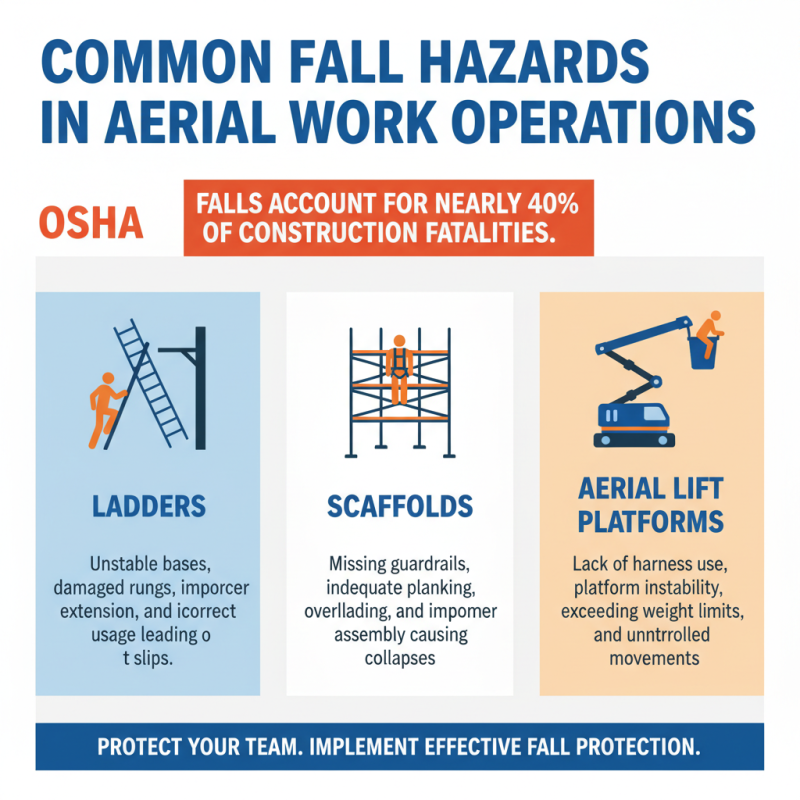
In aerial work operations, fall hazards are a significant concern. According to the Occupational Safety and Health Administration (OSHA), falls account for nearly 40% of construction fatalities. This statistic highlights the critical need for effective fall protection solutions. Workers often face risks when using ladders, scaffolds, or aerial lift platforms. These situations can lead to injuries or even death if safety measures are not appropriately implemented.
Common fall hazards include unprotected edges, holes, and improper use of equipment. A recent report by the National Institute for Occupational Safety and Health (NIOSH) indicated that nearly one-third of aerial lift incidents are due to falls. It's crucial to address these dangers with comprehensive training programs and safe work practices. Often, workers may not follow protocols, leading to preventable accidents. For instance, almost 25% of worker injuries in this sector occur when safety gear is not worn. This statistic is alarming and reveals a gap in safety culture.
Personal fall arrest systems (PFAS) can mitigate these risks significantly. However, there's still a gap in proper usage and understanding among workers. Regular assessments and refresher courses can improve compliance. The need for ongoing training is evident, as many employees may overlook the importance of safety measures. Investing in a robust fall protection plan is essential. Without it, the risks remain high, and injuries are likely to continue.
Key Components of Fall Protection Systems for Aerial Work
When working at height, safety is a priority. Effective fall protection systems are essential for aerial work. These systems include several key components designed to prevent accidents. Harnesses, lanyards, and anchors are crucial in ensuring worker safety. A harness should fit snugly and comfortably. It allows freedom of movement while securing the worker. Lanyards connect the harness to an anchor point. They help limit the fall distance and reduce impact forces.
Anchors are often overlooked but are vital in fall protection. They must be robust and securely installed. Choosing the right anchor point can make a significant difference. Regular inspection and maintenance of these components are necessary. Many overlook this step, leading to potential hazards. Equipment deterioration can compromise safety.
Training workers on proper use is also critical. They should understand how to use each component effectively. Many fall incidents occur due to improper use of equipment. Ongoing education can help mitigate risks. It's beneficial to engage workers in discussions about potential hazards. This leads to a safer work environment. Each detail matters when it comes to fall protection in aerial work. So, examining every aspect is crucial for safety.
Best Practices for Implementing Fall Protection Solutions
Implementing effective fall protection solutions is crucial for maintaining safety in aerial work operations. Workers often face risks when operating at heights. To reduce these dangers, companies must prioritize proper training and equipment usage. Ensuring that every team member understands the equipment is essential. Safety harnesses, guardrails, and other systems should be routinely inspected. Regular inspections help identify wear and potential failures.
Engaging with workers about their experiences can reveal gaps in safety practices. Workers might overlook certain hazards unless prompted. Observing their routines can lead to better solutions. Constructive feedback creates a culture of safety. It helps identify what equipment feels comfortable and what may impede their movement.
Accidents still happen, even with the best systems in place. Reviewing incidents allows for growth. Learning what went wrong can inform future training sessions. Continuous improvement in practices is necessary. Regularly updating protocols ensures they stay relevant. Communication should be ongoing, keeping safety at the forefront. Making safety an integral part of the culture can help prevent falls.
Future Trends in Aerial Work Fall Protection Technology for 2026
The aerial work industry is rapidly evolving. In 2026, we expect to see significant advancements in fall protection technology. These innovations will enhance safety for workers at heights. Lightweight harnesses with improved comfort will become standard. Workers no longer need to struggle with heavy gear. This change will promote better mobility during operations.
Additionally, smart technology will gain traction. Sensors embedded in equipment will monitor posture and alert workers to potential fall risks. Imagine a scenario where a voice alert tells a worker to adjust their position before it's too late. Training programs may incorporate virtual reality. This could provide immersive experiences for practicing safety protocols. However, many companies still face challenges in adopting these technologies.
Integration of these advancements isn't straightforward. Training personnel to adapt to new equipment takes time. Budget constraints can hinder the immediate implementation of cutting-edge solutions. Companies must weigh the benefits against costs carefully. A balance must be struck to ensure safety without overspending. The path forward requires thoughtful reflection and a clear vision for safety in aerial work.




 Ms.Lily International Sales Director
 Join 3S Group